
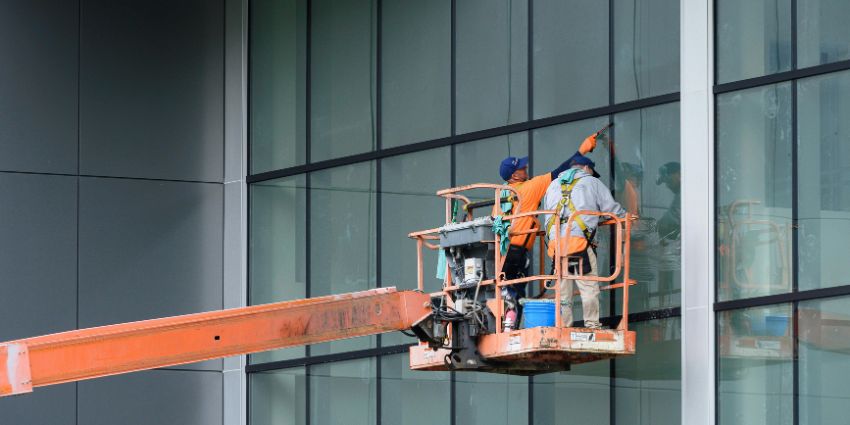
Seasonal window cleaning demand spikes in spring, summer, post-construction, and pre-holiday windows — and without structured scheduling, real-time crew visibility, and standardized safety protocols, those peaks turn into missed jobs, burned-out crews, and lost contracts. The operators who handle seasonal surges well aren't the ones who hire fastest; they're the ones who can see every route, balance every crew, and prove every job got done.
In support and QA, I see the same pattern every peak season: bookings jump, the schedule gets patched together in a spreadsheet, and by week three someone is calling to ask why their windows weren't done — while the office is still trying to figure out who was supposed to be there. Seasonal window cleaning demand isn't the problem. Uncontrolled scaling is.
Why Seasonal Demand Hits Window Cleaning Harder Than Most Trades
Window cleaning sits at the intersection of weather dependency, high-risk work, and client urgency. Spring and pre-holiday rushes compress bookings into tight service windows. Post-construction surges arrive with little lead time. Commercial clients expect the same reliability during peak season as they get in January — but you're running more crews, more routes, and often more temporary hires.
Scaling labor quickly without sacrificing quality or safety is the core challenge. Property managers don't care that it's your busiest month. They care that the work happened, on time, with proof.
The Risks of Poor Seasonal Planning
- Missed or delayed appointments: Overloaded schedules without real-time visibility lead to skipped jobs and angry callbacks.
- Overworked crews: Fatigue drives safety shortcuts and inconsistent results — especially on high-rise routes where shortcuts aren't survivable.
- Inconsistent service quality: Temporary hires without standardized checklists produce variable outcomes that damage your reputation fast.
- Lost contracts and damaged reputation: One bad peak season can undo a year of reliable service on commercial accounts.
Strategies to Manage Seasonal Window Cleaning Demand
- Advance forecasting: Use historical booking data to predict spikes and staff accordingly — before the rush, not during it.
- Structured scheduling: Organize crews, routes, and job types on one calendar with flexible scheduling for window cleaning crews so nothing double-books.
- Workload balancing: Spread high-volume weeks across available crews to prevent burnout and maintain quality.
- Standardized safety protocols: Every hire — permanent or seasonal — follows the same pre-work safety checklist and documentation requirements.
- Clear communication: Keep crews and clients aligned on timing, scope, and completion status during busy periods.
How Modern Tools Help Window Cleaning Businesses Scale Seasonally
- Centralized scheduling: Track high job volumes on one board — single jobs, recurring routes, and seasonal surges together.
- Real-time visibility: See crew availability and job status live so you can reassign before a client notices a gap.
- Digital checklists: Standardize safety and quality steps on every job — no relying on memory during a 12-hour day.
- Documentation and reporting: Capture check-ins, task completion, and photo proof on every visit — the record property managers expect during peak season.
Turning Seasonal Demand Into Long-Term Growth
Peak season is a proving ground. Operators who deliver reliably during the rush earn renewals and referrals. Those who scramble lose accounts to competitors who looked calmer — because their systems handled the volume.
- Build stronger client relationships: Excellent peak-season service creates trust that outlasts the surge.
- Capture data for future planning: Job completion rates, crew utilization, and booking patterns inform next year's staffing plan.
- Retain clients year-round: Consistent performance during high demand demonstrates you can handle their account at any scale.
- Position as reliable and professional: Successfully managing seasonal window cleaning demand is a competitive differentiator in commercial bids.
What Property Managers Expect During Peak Seasons
- On-time service despite higher demand
- Proof of crew presence and job completion on every visit
- Consistent safety standards — no shortcuts because you're busy
- Transparent communication and reporting when schedules shift
Frequently Asked Questions
When is seasonal window cleaning demand highest?
Most window cleaning businesses see spikes in spring, summer, post-construction periods, and pre-holiday weeks. Commercial clients often book annual exterior cleans on the same calendar, creating predictable surges you can plan for.
How do you scale window cleaning crews for peak season without losing quality?
Forecast demand from historical data, use centralized scheduling to balance workloads, and deploy standardized digital checklists and safety protocols for every crew — including temporary hires.
What proof do commercial clients expect during busy periods?
Time-stamped check-ins, completed task checklists, and photo documentation of finished work. Peak season doesn't lower the documentation bar — if anything, property managers scrutinize more closely when multiple vendors are on site.
Can scheduling software prevent double-bookings during seasonal rushes?
Yes — a unified calendar showing every crew, route, and job type makes conflicts visible before they become missed appointments. Real-time status lets you reassign when someone calls out.
How does seasonal demand affect high-rise window cleaning safety?
Rushed scheduling and overworked crews increase safety risk on elevated work. Standardized pre-job safety checklists and documented compliance — not verbal assurances — are what protect workers and contracts during peak periods.
Conclusion
Seasonal window cleaning demand is an opportunity, not a crisis — if you have the scheduling, visibility, and documentation to handle it. Plan ahead, balance crews, verify every job, and peak season becomes the reason clients renew instead of the reason they leave.