
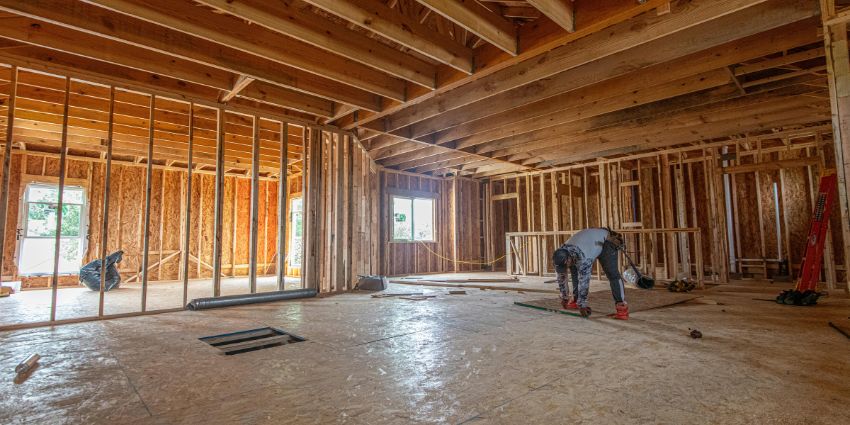
Three-phase cleaning checklists stop unpaid work on multi-phase jobs by separating rough, deep, and final cleans into distinct, documented scopes. Phase-specific task lists with time-stamped logs and photo proof ensure crews complete only authorized work — and every billable task is on record before you invoice.
I've run commercial cleaning crews for 13 years. Post-construction and turnover cleans were where we bled margin — crews would "help out" on deep-clean tasks during a rough phase, and we'd eat the hours. Before crews start a deep-clean scope, see what a cleaning job should cost from hours and wage so "helping out" doesn't silently erase the margin. Verbal scopes and goodwill extras don't survive a dispute with a GC. Once every phase had its own checklist and change control, the unpaid work stopped.
What Is the Three-Phase Clean?
The three-phase clean breaks projects into distinct stages:
Phase 1: Initial / Rough Clean
Remove large debris and perform a basic clean to prepare the space. Sets the foundation for subsequent phases.
Phase 2: Detailed / Deep Clean
Thorough scrubbing, polishing, and detailing. Labor-intensive with higher value due to the attention required.
Phase 3: Final / Touch-Up Clean
Light clean addressing areas impacted by ongoing work or missed in earlier phases. Delivers a move-in-ready result.
Each phase has a unique scope, labor requirement, and value. Confusion between phases leads to unpaid work when tasks from one phase get done during another without documentation or payment.
Why Unpaid Work Happens in Multi-Phase Cleaning Jobs
- Vague Scopes of Work and Informal Change Requests: Without clear scopes, informal requests pile up as unpaid labor.
- Crews Completing "Quick Extras" Without Authorization: Goodwill extras accumulate into significant unpaid hours.
- Lack of Documentation Separating Included vs. Billable Tasks: No clear line between what's in scope and what's billable.
- Property Managers Assuming All Phases Include the Same Work: Miscommunication leads to disputes when expectations don't match reality.
How ProTeams Task Checklists Prevent Scope Creep
ProTeams three-phase cleaning checklists protect revenue with:
- Phase-Specific Task Lists: Each phase has its own checklist — no overlap.
- Required Task Completion: Crews adhere to assigned tasks only.
- Time-Stamped Logs: Proof of when each phase was executed.
- Photo & Notes Documentation: Visual evidence tied to scope — backed by proof of service software.
- Manager Visibility: Real-time oversight of progress and omissions.
- Change Control: New tasks require formal addition before execution.
Business Benefits of Checklist-Driven Cleaning Operations
- Reduced Disputes Over Scope and Billing: Clear checklists align all parties.
- Faster Invoice Approvals: Documented evidence speeds payment.
- Clear Communication with Property Managers and GCs: Transparent records build trust.
- Higher Crew Confidence and Fewer "Do-It-Anyway" Decisions: Crews follow the list without second-guessing.
- Stronger Margins on Complex Cleaning Projects: Prevent unpaid work and protect profit.
Best Practices for Implementing Three-Phase Task Checklists
- Define Scopes Clearly Before the First Phase Begins: All parties understand each phase's boundaries.
- Train Crews to Follow Checklists Strictly: Minimize deviations and unauthorized work.
- Require Approval Workflows for Scope Changes: Formal process for every modification.
- Review Checklist Data Before Invoicing: Confirm completion before billing.
What Property Managers Expect from Professional Cleaning Vendors
- Clear Separation of Phases and Responsibilities: No overlap or confusion.
- Proof of Completed Work by Phase: Documentation for every stage.
- Transparent Billing Tied to Documented Scope: Invoices match the record.
- No Surprises—Only Agreed-Upon Services Delivered: Exactly what was contracted.
Frequently Asked Questions
What is the three-phase clean?
A structured approach with three distinct stages: rough clean (debris removal and basic prep), deep clean (thorough scrubbing and detailing), and final touch-up (addressing areas impacted by ongoing work). Each phase has its own scope, labor, and billing.
Why does unpaid work happen on multi-phase cleaning jobs?
Vague scopes, informal change requests, crews doing quick extras without authorization, missing documentation between included and billable tasks, and property managers assuming all phases cover the same work.
How do three-phase cleaning checklists prevent scope creep?
Phase-specific task lists, required completion rules, time-stamped logs, photo documentation, manager visibility, and formal change control ensure crews only do authorized, billable work.
What should property managers expect from three-phase cleaning vendors?
Clear separation of phases, proof of completed work by phase, transparent billing tied to documented scope, and no surprises — only agreed-upon services delivered.
What are best practices for implementing three-phase task checklists?
Define scopes before the first phase, train crews to follow checklists strictly, require approval workflows for scope changes, and review checklist data before invoicing.
Conclusion
Three-phase cleaning checklists protect revenue on complex commercial jobs. Structured task lists eliminate unpaid work and bring clarity to every phase. They're not micromanagement — they're revenue protection. Adopt phase-specific checklists before your next multi-phase project and stop giving away labor.