
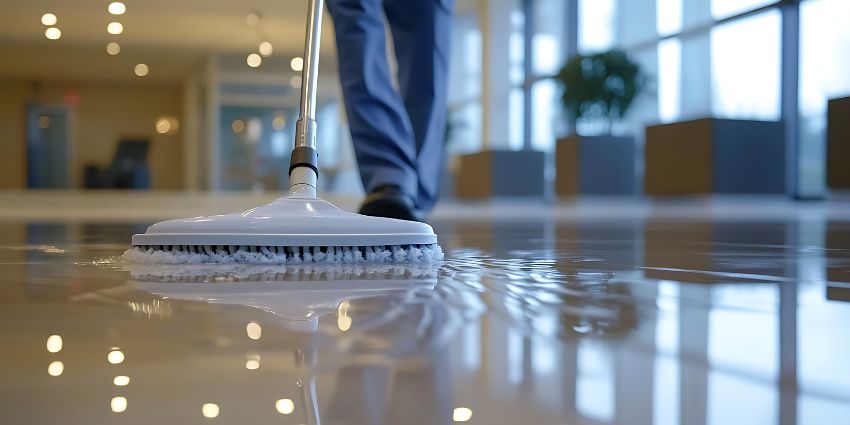
Quarterly strip and wax scheduling fails on spreadsheets because long service cycles, varying floor types, and tight access windows don't forgive a missed row. Automating strip and wax schedules with recurring job templates, crew assignments, and completion alerts keeps every site on its quarterly cadence without someone manually chasing dates three months out.
I used to maintain quarterly floor care on a shared calendar that nobody checked until the week before. Sites got skipped, crews got double-booked on the same overnight window, and property managers called asking why the lobby hadn't been done in five months. Automation doesn't replace judgment — it replaces the part where a date falls off a spreadsheet because everyone was busy with everything else.
Why Quarterly Strip and Wax Scheduling Is Operationally Complex
Quarterly cycles stretch across months, so it's easy to lose track between visits. Each site may have different floor types with different care requirements. Access windows vary by building — retail can't shut down on Saturday, offices need weekends, hospitals need phased zones. Trained crews and specialized equipment have to align with those windows, and property managers expect service inside strict timeframes.
Manual tracking of all these variables across a portfolio is where visits get missed and conflicts pile up.
The Risks of Manual Scheduling for Strip and Wax Services
Manual scheduling leads to missed or delayed quarterly visits, deteriorating floors, and dissatisfied clients. Overlapping jobs and crew conflicts waste resources. Inconsistent documentation makes accountability hard. Admin time balloons, and rescheduling becomes reactive instead of planned.
How Automation Simplifies Quarterly Strip and Wax Scheduling
- Recurring job templates: Pre-defined quarterly schedules tailored per client — floor type, frequency, and scope locked in once.
- Automated reminders and alerts: Advance notice before service dates so crews and clients are prepared, not surprised.
- Crew and equipment assignment: Skilled teams and the right machines assigned automatically based on job requirements.
- Task checklists: Standardized strip-and-wax procedures so every site gets the same quality bar.
- Proof of completion: Photos, timestamps, and reports captured as the work happens.
- Centralized calendar visibility: Every scheduled service across every site on one dashboard — no digging through emails.
Flooring software with recurring scheduling built in turns quarterly floor care from a memory test into a system that runs whether or not someone remembered to check the calendar.
Business Benefits for Floor Care Companies
Reliable quarterly delivery builds client trust. Scheduling errors and admin load drop. Crews and equipment get utilized efficiently. You can scale recurring floor care contracts without adding a full-time scheduler.
Best Practices for Automating Floor Care Schedules
- Segment clients by floor type and frequency so templates match actual site needs.
- Standardize job scopes and checklists for consistent delivery across the portfolio.
- Review automated schedules quarterly — contracts change, access windows shift, and templates need updating.
- Train crews on consistent documentation so proof of completion is automatic, not an afterthought.
What Property Managers Expect from Floor Care Vendors
On-time quarterly execution, clear proof of strip and wax completion, minimal disruption to building operations, and transparent scheduling and reporting. Miss the cadence once and you're explaining yourself. Hit it four quarters running and renewal is a formality.
Frequently Asked Questions
Why is quarterly strip and wax scheduling hard to manage manually?
Long cycles between visits, varying floor types, and different access windows across sites make it easy to lose track. Spreadsheets don't send reminders, flag conflicts, or assign crews — someone has to remember everything.
How do recurring job templates help strip and wax scheduling?
Templates lock in scope, frequency, floor type, and crew requirements per client. The system generates upcoming visits automatically so quarterly work doesn't depend on someone checking a calendar three months out.
What happens when strip and wax visits get missed?
Floors deteriorate faster, property managers lose confidence, and catching up requires emergency scheduling that conflicts with other jobs. One missed quarter often costs you two in rework and relationship repair.
Can automation assign the right crew and equipment?
Yes. Rules based on job scope, site requirements, and crew skills assign teams and equipment when the recurring job generates — reducing manual coordination for every visit.
How do you prove strip and wax completion to property managers?
Photo documentation, timestamps, and completion reports captured in the field give property managers evidence without a walkthrough. Automated delivery on Growth and Scale plans keeps them informed on schedule.
Conclusion
Quarterly strip and wax work needs automation, not memory. Recurring templates, alerts, and centralized visibility keep every site on cadence and every crew prepared. Pair automated scheduling with conflict-free coordination — see coordinating floor care crews without scheduling conflicts — when cure times and access windows add complexity.